“`html
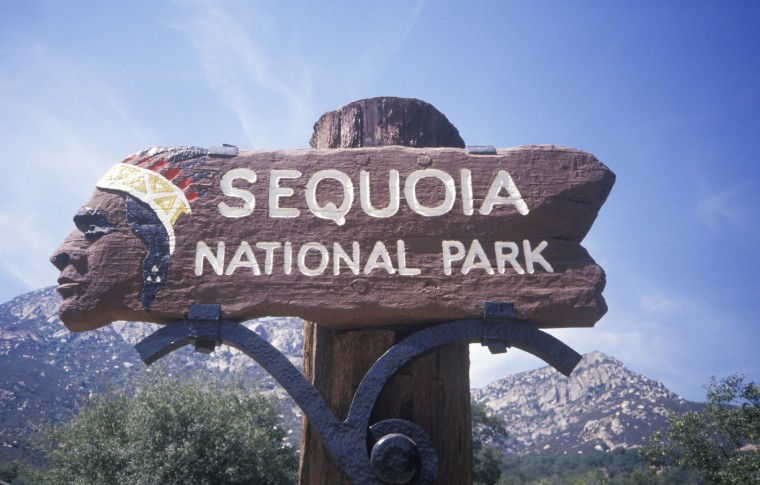
What Is the Best Time of Year to Visit Sequoia National Park?
The best time to visit Sequoia National Park depends on the type of experience you are looking for.
Some visitors want sunny weather and full access to the park’s famous attractions. Others hope to see giant sequoias covered in snow or experience quieter trails away from summer crowds.
No matter the season, Sequoia offers something remarkable year-round — but conditions can change dramatically throughout the year, especially at higher elevations.
One thing many visitors do not realize is that navigating the park can become surprisingly stressful during busy periods. Parking, road conditions, shuttle lines, changing weather, and seasonal closures can all affect the experience, which is one reason many guests choose guided tours to make the most of their visit.
Summer (June–August): Best for Full Access and First-Time Visitors
Summer is the busiest and most popular season in Sequoia National Park.
Most major areas of the park are typically open, including:
- General Sherman Tree
- Moro Rock
- Crescent Meadow
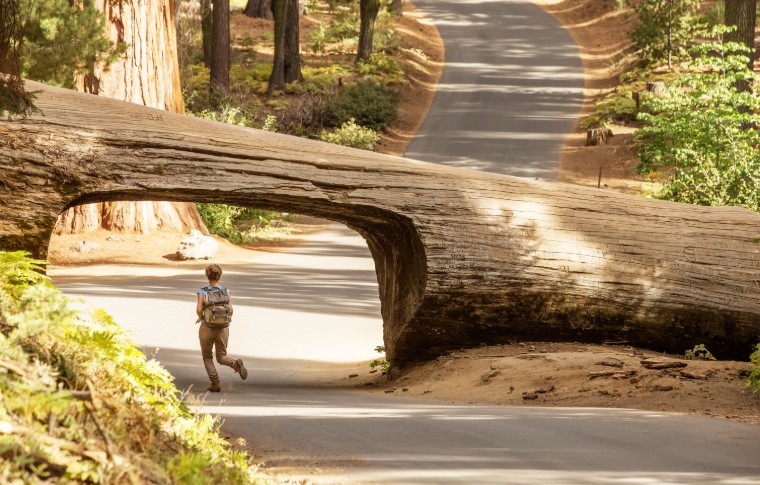
- Tunnel Log
- Lodgepole Visitor area
- Wuksachi Lodge
- Road between Sequoia and Kings Canyon is open.
This is an excellent time for first-time visitors who want the greatest access to the park’s iconic sights.
However, summer is also peak season.
Visitors should expect:
- Long entrance station lines
- Heavy traffic on Generals Highway
- Difficulty finding parking
- Crowded shuttle stops
- Busy trails and viewpoints
We strongly recommend entering the park as early as possible during summer months.
Many visitors are surprised by how much time can be spent dealing with parking, shuttle logistics, and traffic. Guided tours can help remove much of that stress by handling transportation, timing, and navigation while allowing guests to focus on enjoying the experience itself.
Fall (September–October): One of the Best Overall Times To Visit
September and October are often considered some of the best months to visit Sequoia National Park.
Temperatures are usually pleasant, crowds begin to thin, and the park often feels calmer and more relaxed compared to peak summer.
This is a wonderful time for:
- Wildlife viewing
- Scenic drives
- Photography
- Comfortable sightseeing
- Easier parking and less congestion
Spring (May–June): Dogwoods, Waterfalls, and Fresh Mountain Scenery
Spring is one of the park’s most underrated seasons.
Dogwood trees bloom in lower elevations, rivers and waterfalls are often flowing strongly from snowmelt, and the mountains begin coming back to life after winter.
Wildlife activity also increases during spring months.
Conditions can still vary depending on snowfall from the winter season, and some higher elevation areas may remain partially snow-covered well into late spring.
Spring is also when river conditions are often at their most hazardous due to snow runoff. Visitors should use extreme caution near water throughout the park.
Winter (November–Early May): Beautiful but More Challenging
From November through early May, winter weather is possible in Sequoia National Park.
Snow chains are often required, even during periods without active snowfall. Visitors should always check current conditions before entering the park.
During winter months:
- Some roads and facilities may close
- Not all areas of the park remain accessible
- Moro Rock Road has typically been closed in recent years
This affects access to:
- Moro Rock
- Tunnel Log
- Crescent Meadow
For visitors who enjoy snowshoeing or have experience cross-country skiing, Sequoia can become a true winter wonderland.
However, it is important to understand:
- Trails are not groomed
- Trail markings can become difficult to follow in snow
- Mountain weather can change rapidly
- Winter driving experience is highly recommended
That said, seeing giant sequoias blanketed in snow can be absolutely unforgettable.
Winter tours can also be a great option for visitors who want to experience the beauty of the park without worrying about icy roads, chain requirements, or changing mountain conditions.
Weather Can Change Dramatically in the Park
One important thing visitors often underestimate is how dramatically weather can change throughout the park.
Because of the large elevation differences in Sequoia National Park, temperatures in the higher elevations are often 15–20 degrees cooler than the foothill areas near the park entrance.
Visitors may begin the day in warm sunshine and arrive in cool mountain conditions only an hour later.
Even during summer, mornings and shaded forest areas can feel surprisingly cool, while winter conditions and snow are common at higher elevations from late fall through spring. Layered clothing is strongly recommended year-round.
Rivers and Water Safety
One of the most underestimated dangers in Sequoia National Park is the park’s rivers and creeks.
Although the water may appear calm or shallow in places, river conditions can be extremely dangerous — especially during spring snowmelt and early summer.
Visitors should be aware:
- Water temperatures remain dangerously cold year-round
- Currents are often much stronger than they appear
- Rocks near rivers are extremely slippery
- Fast-moving water can quickly overpower even strong swimmers
Every year, serious injuries and fatalities occur in Sierra Nevada rivers.
Visitors should never climb on wet rocks, enter fast-moving water, or allow children near river edges unattended. Spring and early summer are typically the most hazardous times for river conditions due to snow runoff from higher elevations.
So When Is the Best Time To Visit?
For most first-time visitors:
Late spring through October offers the easiest and most complete experience.
For fewer crowds and comfortable weather:
September and October are excellent choices.
For snow lovers and winter scenery:
Winter can be magical with proper preparation.
No matter the season, Sequoia National Park offers an experience unlike almost anywhere else in the world.At Sequoia Sightseeing Tours, our guided tours are designed to help visitors experience the park safely, comfortably, and without the stress of navigating mountain roads, parking challenges, changing conditions, or seasonal closures on their own. After 25 years of guiding visitors through Sequoia National Park, our incredible local guides are passionate about helping guests experience the park safely, comfortably, and in a way that feels truly memorable.
Explore Sequoia with Sequoia Sightseeing Tours
Sequoia Sightseeing Tours has been guiding visitors through Sequoia National Park for over 25 years, helping guests experience the park safely, comfortably, and meaningfully without the stress of navigating mountain roads themselves.
Learn more at www.sequoiatours.com
“`